Jason Chagnon
Co-Founder & CEO

Reading time - 7 minutes

Running a home care business often feels overwhelming. Intake calls come in from multiple channels. Referral partners want updates. Your team is balancing caregiver scheduling, client visits, documentation, and patient care. At the same time, you are trying to make sense of what is actually happening inside your pipeline.
When your systems are unclear, the pressure builds. Leads slip through the cracks. Follow up feels inconsistent. Communication between intake and operations gets strained. You lose visibility into patient data, client information, and the true performance of your home care business.
That is why your home care CRM setup matters more than most agency owners realize. A well structured home care CRM is not just another piece of software. It is a customer relationship management system designed specifically to support the complex demands of the home care industry. When configured intentionally, it becomes the backbone of your home care agency management strategy. It helps you strengthen relationship management, streamline intake, improve efficiency, and turn inquiries into long term clients with greater consistency.
If you are searching for the best CRM for home care agency growth, the answer is rarely about having the most key features. What truly matters is whether your home care agency software creates clarity, accountability, and smooth handoffs across your organization.
Why Customer Relationship Management Matters in Home Care
In many industries, customer relationship management is about tracking sales opportunities. In the home care industry, it is about something much more personal. You are supporting families during vulnerable seasons, coordinating caregivers, organizing services, and protecting sensitive patient data.
Most CRMs were built for generic businesses. They can track contacts, but they are not designed specifically for home care providers who must balance compliance, caregiver management, electronic visit verification, care plans, and ongoing patient care. That disconnect is where frustration begins.
A thoughtfully configured home care intake CRM allows you to see exactly where each inquiry stands, how quickly your team responded, and what needs to happen next. It strengthens communication across departments and gives leadership a clear view of performance. When your CRM software works the way it should, your agency operates more efficiently and with less stress.
Without that visibility inside your home care management software, you are left guessing. You may not know which referral sources generate the best patients, how long it takes to move from inquiry to active services, or where breakdowns are occurring. Clarity inside your home care CRM gives you control and confidence.
Creating an Intake Process That Feels Organized, Not Reactive
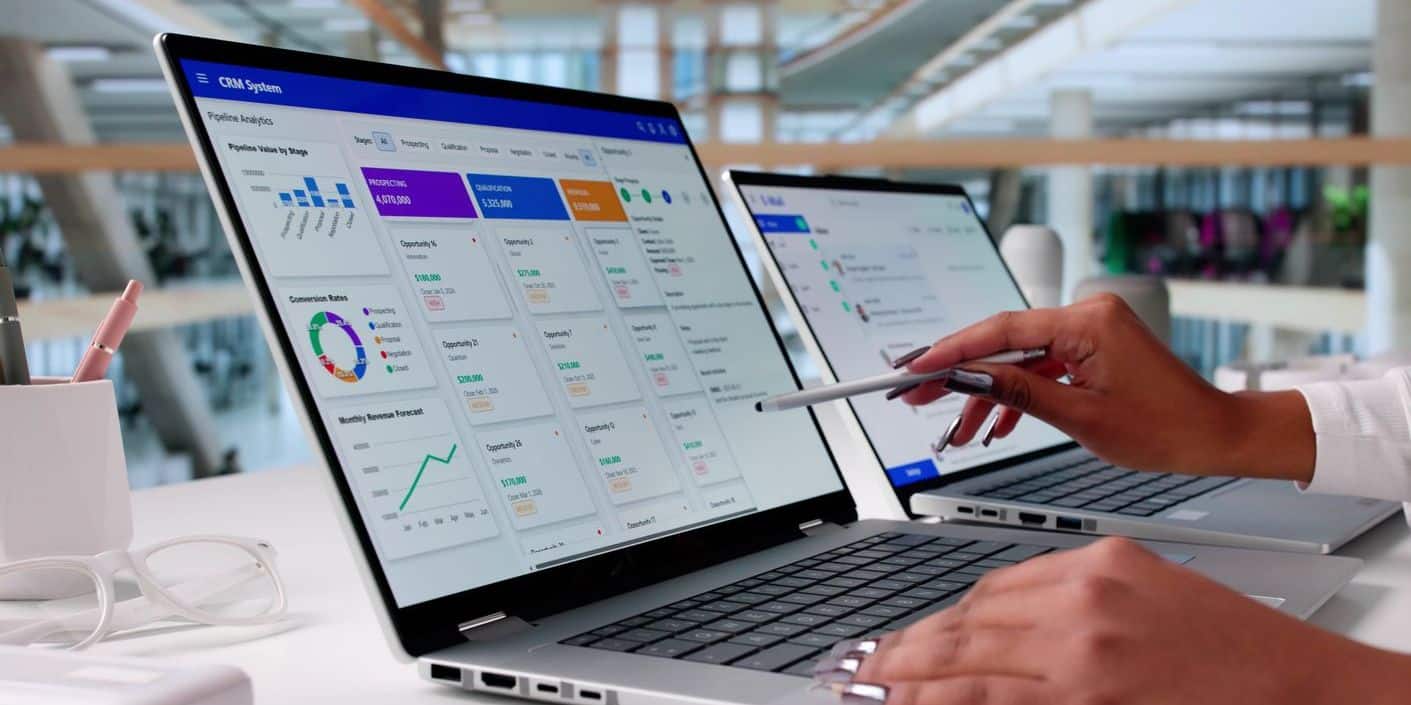
At the heart of every effective home care CRM is a clear intake pipeline. This pipeline represents the journey from the first call to the start of services. When that journey is undefined, your team relies on memory, scattered notes, and inbox searches.
A strong home care intake CRM organizes every opportunity in one place. As your agency size grows, this structure becomes even more important. What works for a small team quickly becomes unsustainable as you add more employees, more visits, and more patients.
Your pipeline should reflect real milestones in your home care business, from initial contact to assessment, agreement, and launch of services. Each stage needs a shared definition so everyone understands when and how to move an inquiry forward. The best CRM for home care agency teams supports this flow while using automated reminders and task prompts to ensure consistent follow up. Instead of wondering who was supposed to call back, your team has clear direction.
Protecting Patient Data
Collecting information is not the goal. Collecting the right information and protecting it is.
Your home care software should guide intake staff to capture essential client information such as referral source, urgency, service needs, and decision makers. This helps you organize your marketing efforts and prepare operations for a smooth transition into patient care.
Because you operate in healthcare, your home care agency software must also be HIPAA compliant. Patient data should be secure, accessible only to authorized employees, and handled in a way that helps you stay compliant with regulations. Compliance builds trust with families and referral partners alike.
Many home care management software platforms now combine intake, documentation, and electronic visit verification into an all in one solution. When your home care CRM connects seamlessly with caregiver management, caregiver scheduling, care plans, and client visits, you reduce duplication and streamline daily workflows. Supervisors can monitor visits, documentation, and compliance without piecing together information from different systems.
The result is a more organized operation that allows your team to manage services efficiently while focusing on quality patient care.
Automating Follow Up Without Losing the Human Touch
Families rarely make a decision after one conversation. They may be speaking with other home care providers, coordinating with siblings, or preparing for discharge from facilities. During that time, steady communication makes a difference.
A well configured home care CRM uses automated reminders and task assignments to support timely follow up across multiple channels. Whether the conversation happens by phone or email, your CRM software records it, creating a clear history of relationship management. This structure reduces missed opportunities and ensures no one feels forgotten.
Automation does not replace compassion. It gives your team space to listen and respond thoughtfully. When intake staff are not relying on memory alone, they can focus on building trust instead of worrying about what they might miss.
Strengthening Handoffs Between Intake and Operations
Even when intake performs well, challenges often appear at the point of transition. Once a client agrees to services, operations needs clear information to move quickly. Missing care plans, incomplete patient data, or unclear scheduling details create unnecessary stress.
Your home care CRM should act as the bridge between teams. When set up correctly, it carries documented service needs, communication notes, and expectations directly into your home care management software. Caregiver scheduling becomes smoother. Supervisors can oversee electronic visit verification and compliance requirements without scrambling for answers.
As your agency size expands, this coordination becomes essential. More employees, more patients, and more visits mean more complexity. Strong systems allow you to scale your home care business without sacrificing efficiency or compliance.
Choosing the Best CRM for Home Care Agency Growth
When evaluating the best CRM for home care agency use, look for technology designed specifically for the realities of the home care industry. A strong platform should integrate with broader home care software and support an all in one solution that connects intake, documentation, billing, reporting, and caregiver management.
The right key features include customizable pipelines, reporting dashboards, secure storage for client information, automated reminders, and role based permissions. It should help you organize employees, support training programs, monitor performance, and manage services without adding unnecessary complexity.
Not every solution fits every agency. Your agency size, services, and long term goals matter. The goal is not to chase the most expensive system. It is to implement CRM software that helps you streamline operations, improve efficiency, and stay compliant while serving patients well.
When Your System Needs Attention
If you struggle to see how many active opportunities exist, or if patient data is duplicated across platforms, your processes may not be as streamlined as they could be. If communication between departments feels strained, your handoffs may need refinement. These challenges often explain why agencies see different results than expected when implementing a CRM.
A properly configured home care CRM should feel steady and supportive. It should help you manage relationships, organize visits, and oversee services without constant manual intervention. It should simplify reporting and give leadership clear insight into growth.
Clarity Builds Confidence
In today’s competitive healthcare environment, technology by itself is not what sets your agency apart. How you implement and use it is what makes the difference. Many home care providers rely on similar home care agency software, but the agencies that grow consistently are the ones that build intentional systems around it. A well structured home care CRM brings customer relationship management, caregiver management, patient care, and compliance together into one connected framework that strengthens communication and reduces daily friction. Platforms designed specifically for the home care industry, such as CareFunnels, can support this alignment by combining intake tracking, follow up automation, and visibility into one streamlined system.
Before investing in another tool, take time to evaluate your current home care intake CRM. Look for opportunities to simplify your pipeline, improve your data collection, and ensure your home care management software is truly HIPAA compliant and supporting your team. When your home care CRM is thoughtfully configured, whether you are refining your existing system or exploring options like CareFunnels, it becomes the foundation of your home care business. It allows you to manage services efficiently, support employees, stay compliant, and scale with confidence. If you would like expert guidance on optimizing your home care CRM, you can schedule a free 30 minute strategy session with Home Care Marketing Pros.