The caregiver shortage isn’t just a sourcing problem. Plenty of home care agencies already have caregiver applicants coming in the door. The real bottleneck is getting them into an interview before another agency does. Home care interview scheduling is one of the most overlooked parts of caregiver recruiting. Every inquiry deserves a fast reply. Agency owners who tighten up this process fill shifts faster than competitors who are still playing phone tag.
Why a Slow Process Costs You Candidates
Here’s what usually happens. Someone applies for a caregiver job on Monday. Most caregiver prospects have already applied to more than one home care agency at the same time. The moment their inquiry comes in, your time to hire starts ticking. If your home care interview scheduling depends on someone manually checking a shared inbox, writing an email, and waiting for a reply, that clock can run for days.
Caregiver applicants aren’t sitting by the phone waiting for you. A prospect who applied Monday morning and hasn’t heard back by Wednesday has probably already booked an interview somewhere else. The interview itself isn’t the sticking point. The scheduling step is, and it’s often the weak point in an otherwise solid recruiting pipeline.
This is exactly where a home care CRM, short for customer relationship management, helps. Built specifically for staffing and recruiting, a home care CRM can send automatic follow-up the moment someone applies, day or night, weekends included. The candidate books a time that works for them, and the interview is set without any manual entry.
Speed Matters More in Home Care Hiring
Caregiver hiring doesn’t work like a typical office job search. Candidates don’t wait around through a slow hiring process just because the job is worth it. They go with whoever gets back to them first with something real.
Home care agencies that treat scheduling as an afterthought are telling good prospects to look elsewhere, even without meaning to. A recruiter who responds fast and makes booking easy sends a good signal about the agency. One who takes three days to send the right message sends the opposite signal. This matters whether you run a single-location company or a larger multi-site business, since home care agencies operate in a tight labor market where everyone is chasing the same pool of prospects.
What Slow Scheduling Usually Looks Like
A few patterns show up again and again at home care agencies that struggle with this:
- Applications sit in a shared inbox until someone has time to look
- Scheduling happens through back-and-forth phone calls instead of a simple booking link
- Nobody tracks first contact, so prospects get missed
- Interview times aren’t centralized, so recruiters double-book without realizing it
- A missed call never gets a follow-up because nobody remembers to try again
None of these problems are unusual on their own. But together, they mean caregiver applicants fall through the cracks, not because they weren’t qualified, but because nobody managed the process in time.
Why Purpose-Built Scheduling Software Matters
Generic scheduling software made for sales demos or client meetings rarely fits how a home care business hires.
Caregiver recruiting moves fast, and prospects often apply from a phone between shifts. Scheduling software built specifically for the home care industry handles that, with booking pages, reminders, and automation designed around caregiver hiring instead of a generic sales tool.
The right scheduling software also brings pipeline management and task management into one system, instead of splitting inquiry tracking, calendar management, and tasks across different tools.
Recruiters and intake teams can see every caregiver prospect in one place, from first inquiry through signed offer, instead of switching between an inbox, a calendar, and a spreadsheet. In practice, fewer tools means less training time for new staff running the business, since automation handles more of the process.
Keeping Applicant Data Handled the Right Way
Home care agencies already manage sensitive data, since the industry connects to health information and partners with hospice and home health providers on care plans.
That’s part of why staying HIPPA compliant matters, even in the hiring process, not just with client data. A home care CRM built with HIPPA compliant data handling protects applicant data the same way it protects client data, so agency owners don’t need two separate systems to meet these requirements. Scheduling data and interview notes stay in one place instead of scattered across emails and sticky notes.
How a Home Care CRM Fixes This
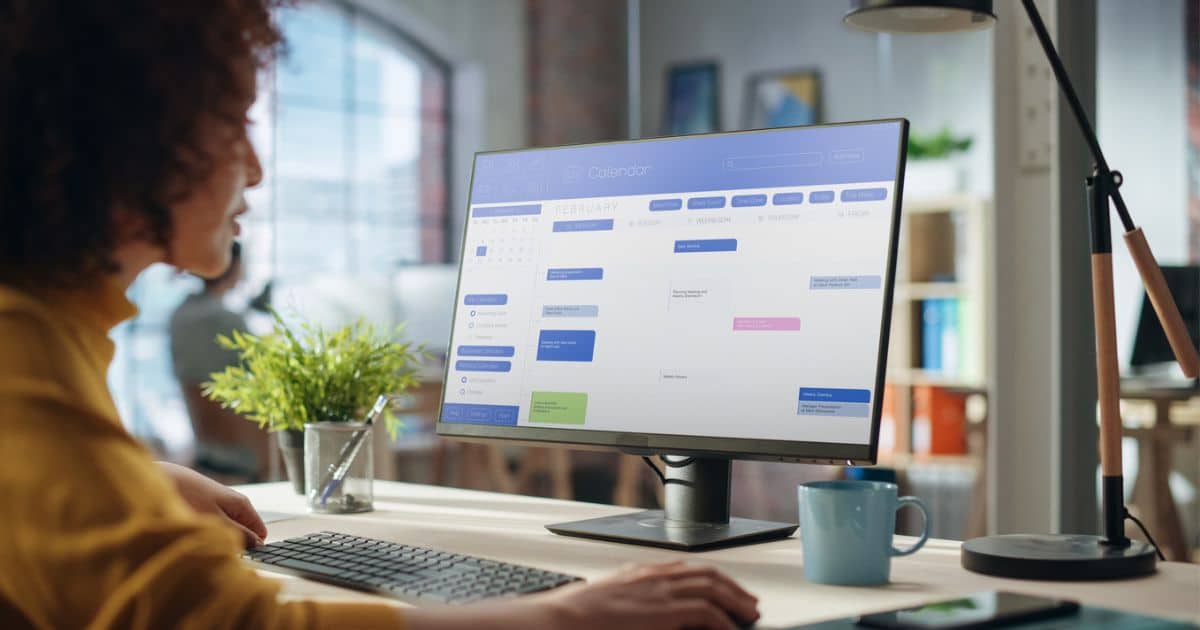
A home care CRM built for recruiting takes the manual work and repetitive tasks out of scheduling, with less day-to-day management. When an inquiry comes in, the system sends a link based on your recruiter’s real availability. Reminders go out through automation by text and email, which cuts down on no-shows.
If a candidate doesn’t book right away, the CRM can launch multi step sequences of follow-up messages on its own, so nobody gets forgotten. Recruiters get a simple dashboard showing who’s been contacted, who’s booked, and who still needs a nudge, instead of one person managing it all from memory.
The goal isn’t to replace the recruiter. It’s a simple plan: let automation handle the repetitive data and give that person’s time back to real conversations with prospects, instead of the back-and-forth of finding a time that works. An intake coordinator who used to spend hours a week on manual scheduling can put that time into building a stronger recruiting pipeline.
Three Simple Changes That Help Immediately
Home care agencies that want to fix home care interview scheduling don’t need to overhaul the whole business at once, no matter the size of your company or how competitive the industry gets. A few practical changes make the biggest difference.
First, route every inquiry straight to whoever owns scheduling, instead of a general inbox. Second, replace phone tag with a self-service booking link that shows real availability. Third, build automation into reminders and follow-up so nothing depends on someone remembering.
You don’t need extra headcount for any of this. Automation lets home care agencies respond to every applicant without added tasks, tools, or business overhead. Agency owners who treat this as core business management, not a side project, see the biggest gains in time to hire.
Speed Is a Real Advantage
Caregiver prospects are almost always weighing more than one opportunity. The home care agency that gets them scheduled first usually has the advantage, regardless of pay rate or benefits. Someone who books an interview within an hour of applying forms a much better impression of your company than someone who waits three days and finally hears back after taking a job elsewhere.
Home care interview scheduling isn’t a small detail. It’s one of the clearest points where home care agencies lose caregivers they were otherwise qualified to hire.
Fixing it doesn’t require a bigger recruiting team or a larger training budget. It doesn’t require expanding your business at all. It requires one system, a home care CRM, that turns “we’ll get back to you” into “pick a time that works.”
If your agency is still scheduling interviews by hand, it’s worth asking how many strong applicants have already slipped away. Schedule a free 30-minute strategy session with Home Care Marketing Pros to see what a faster home care interview scheduling process could look like for your team.