A family calls your agency on a Tuesday afternoon. They’re not ready to sign anything yet. They’re gathering information, comparing a couple of options, and trying to figure out what care actually looks like for their mom. If nobody follows up with them in the next few days, they’ll likely just choose whichever agency responded first.
This is the moment where home care automated follow-up earns its keep, whether it happens through texting, email, or both. It isn’t about replacing your intake team’s phone calls or personal interactions with clients. It’s about making sure no lead goes cold simply because your team got busy, took a day off, or missed a callback window between other tasks.
Why Leads Go Cold Before They’re Ready to Buy
Home care is rarely an impulse decision. Families often start researching weeks or months before they need services, and they’re usually comparing more than one agency at the same time. That means the sale rarely happens on the first call. It happens somewhere around the third, fourth, or fifth touchpoint, once trust has had time to build through consistent communication.
The trouble is that manual follow-up doesn’t scale with that kind of timeline. An intake coordinator juggling calls, care plans, and paperwork can’t realistically remember to check back in with every open lead on day three, day seven, and day fourteen. Something slips, and the lead assumes silence means the agency has moved on. As the impact of lead response time on home care agencies shows, speed and consistency after that first contact are what separate agencies that close leads from agencies that lose them.
What Home Care Automated Follow-Up Actually Looks Like
At its core, home care automated follow-up is a system that keeps reaching out to a lead on your behalf, running on a schedule you set once and let work in the background. A dedicated SMS marketing platform paired with email gives your office a repeatable way to communicate without adding hours to anyone’s day, and many CRMs and scheduling apps already include this functionality, so there’s often little added cost to manage it well. Instead of one call and a hope for the best, a lead who fills out a form or calls after hours gets:
- An immediate confirmation text or email letting them know their message was received
- Additional touchpoints spread over the following weeks, including appointment reminders
None of this replaces a live conversation. It buys time for one. A well-built home care CRM can log a new inquiry, trigger that first automated text, and hand the lead to your intake coordinator with the groundwork already laid, so by the time your team calls or visits, the family already feels like someone has been paying attention. Most good platforms also let you schedule messages ahead of time and adjust message frequency so leads never feel bombarded.
Why SMS Communications Get Read
Email inboxes are crowded, and calls from unknown numbers often go unanswered entirely. Home care text message marketing works because it meets families where their attention already is, on the mobile devices they check throughout the day.
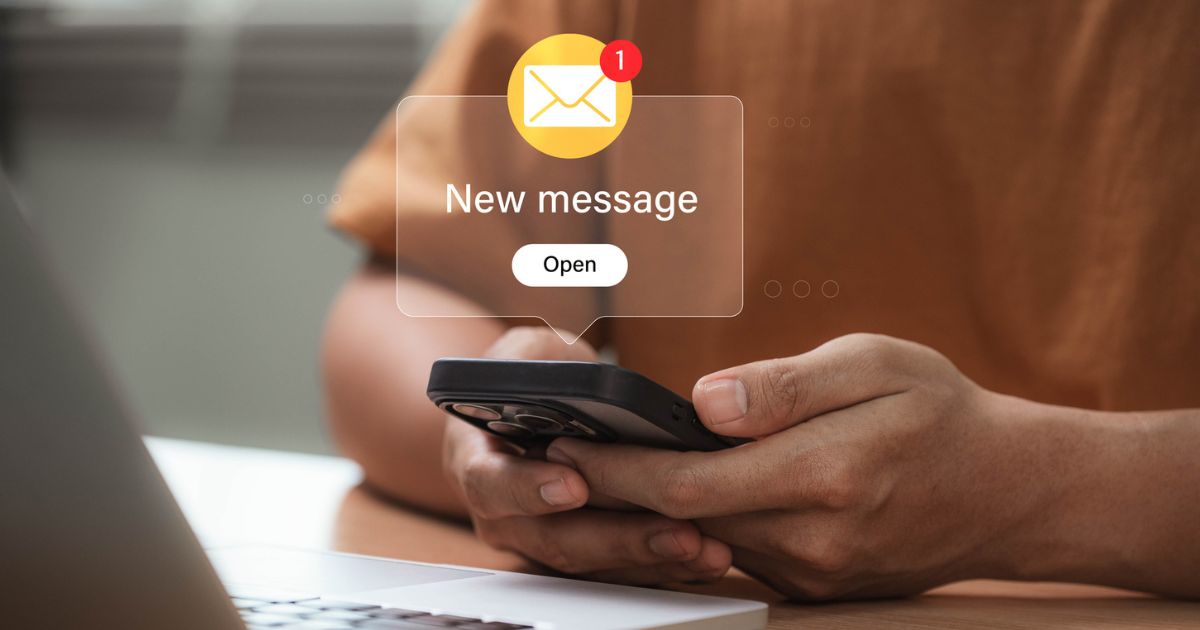
That immediacy matters most in the early hours after someone reaches out. A family searching for care at nine on a Sunday night isn’t expecting a callback until Monday, but a friendly automated text letting them know their message was received changes how they feel about your agency before anyone on your team has even spoken to them. It also sets the tone for every interaction that follows, which matters a great deal for patient satisfaction once care actually begins.
A little transparency goes a long way here too. Most people don’t mind getting a text as long as they know how to stop it, so it’s worth including simple SMS terms with that first message: a quick way to opt in or opt out, a note that a standard message and data rates may apply, and a line confirming their consent to receive text messages going forward. Healthcare providers follow similar practices for appointment reminders, so it’s a familiar pattern for most families already.
HIPAA compliance matters here too, since it helps protect client information. A HIPAA compliant texting platform makes that easy to maintain without adding extra steps for your team.
Building a Follow-Up Sequence That Doesn’t Feel Robotic
The biggest risk with any automated system is that it starts to sound like one. Home care automated follow-up works best when the messaging still sounds like it came from a person who cares about the outcome, not a template running on autopilot. A few things help keep that tone intact:
Keep the first message short and warm rather than salesy, and space out later touchpoints so the family has room to breathe between them. A few examples of what that can look like: a same-day confirmation text, a warm check-in two or three days later, and a helpful resource about a week after that, each one still leaving room for a live voice on the phone rather than replacing it.
One common mistake is sending repeat messages that all sound the same. Setting clear expectations at enrollment about what a lead will receive, and how often, heads that off before it becomes a problem. Build in a way for the lead to respond and opt into a real conversation whenever they prefer, rather than funneling every message toward promotions or a hard ask.
Ask for feedback occasionally too. A quick, low-pressure question after a consultation shows clients and customers you value their input and helps you refine the sequence over time.
This same principle applies to home care lead nurturing more broadly. The goal of any sequence, text or email, is to build a relationship over time, not to close a sale on the first attempt. Automation just makes sure that relationship-building actually happens on schedule instead of falling through the cracks when your team gets busy. Good tools also make it easy to keep basic audit trails and audit controls on what went out and when, with access limited to whoever on your team actually needs it, so records stay accessible without adding real work.
Keeping Leads Warm Is a System, Not a Habit
Agencies that rely on individual staff members to remember every follow-up are building their pipeline on a habit that will eventually break. Home care automated follow-up turns that habit into a system that supports your services the same way whether your intake coordinator is having a slow week or a chaotic one.
SMS communications extend that reach even further, giving families the convenience of a fast, low-pressure way to stay connected until they’re ready to move forward. Together, text and email create a safety net that catches leads who would otherwise have gone cold simply because nobody got around to calling them back in time.
If your agency is still relying on memory and good intentions to follow up with leads, it’s worth taking a closer look at what an automated system could do instead. Schedule a free 30-minute strategy session with Home Care Marketing Pros and we’ll show you exactly how automated text and email follow-up could fit into your agency’s growth plan.